
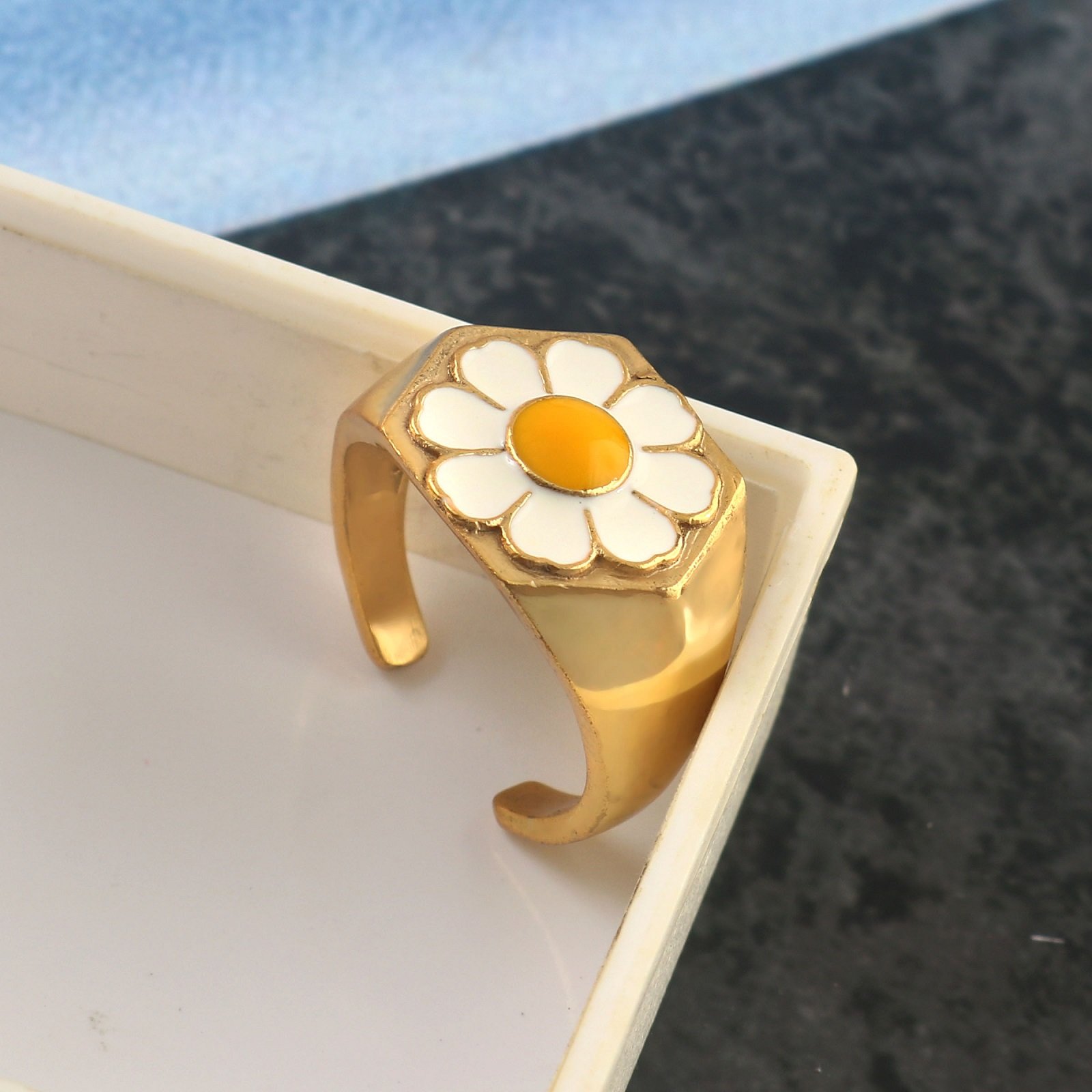
Color plays an important role in creating jewelry collections that stand out in a competitive market. From delicate pastel earrings to bold multicolored gemstone rings, enamel jewelry offers endless creative possibilities for jewelry designers, retailers, and emerging fashion brands.
For international jewelry businesses, working with a custom enamel jewelry manufacturer in India provides an opportunity to develop distinctive collections that reflect their brand identity and customer preferences.
Jaipur, India, is well known for its traditional jewelry craftsmanship, gemstone expertise, and decorative enameling heritage. Its jewelry manufacturing ecosystem combines artistic techniques with modern product development methods.
Whether you are launching a new jewelry brand or expanding an existing product range, custom enamel jewelry can help you introduce color, creativity, and individuality into your private label collections.
What Is Enamel Jewelry?
Enamel jewelry features a decorative colored material applied to a metal surface to create attractive patterns, textures, and finishes.
Traditional vitreous enamel uses glass-based material fused to metal through firing. Modern jewelry manufacturing also uses resin-based colored finishes commonly referred to as cold enamel.
Enamel can be incorporated into various jewelry categories, including:
- Enamel rings
- Colorful enamel earrings
- Enamel pendants and necklaces
- Enamel bracelets and bangles
- Gemstone and enamel jewelry
- Floral enamel jewelry
- Personalized charms
- Geometric statement jewelry
The combination of metal, color, and decorative details allows jewelry brands to create products with a distinctive visual identity.
What Is Private Label Enamel Jewelry Manufacturing?
Private label enamel jewelry manufacturing allows businesses to develop jewelry collections that are sold under their own brand name while working with an external manufacturing partner.
Instead of establishing an independent jewelry production facility, brands can collaborate with a manufacturer to develop designs, select materials, approve samples, and arrange wholesale production.
Depending on the manufacturer’s capabilities, private label enamel jewelry customization may include:
- Original jewelry designs
- Customized enamel colors
- 925 sterling silver construction
- Gemstone combinations
- Metal plating and surface finishes
- Custom shapes and patterns
- Brand engraving
- Customized packaging
This manufacturing model can be suitable for jewelry startups, independent designers, ecommerce businesses, fashion brands, wholesalers, and established retailers.
Why Choose Custom Enamel Jewelry for Your Brand?
Enamel jewelry offers several design and commercial opportunities for businesses looking to differentiate their collections.
1. Extensive Color Customization
One of the biggest advantages of enamel jewelry is its creative color potential.
Jewelry brands can explore soft pastel shades, vibrant colors, neutral tones, monochromatic combinations, and multicolored designs.
A carefully selected color palette can help create a consistent visual identity across rings, earrings, pendants, and bracelets.
Brands can also develop seasonal collections using colors that complement their existing product ranges.
2. Unique Brand Identity
Custom enamel jewelry allows businesses to move beyond generic designs and introduce products that reflect their individual aesthetic.
From botanical patterns and abstract artwork to minimalist color accents, enamel details can become recognizable features of a jewelry brand.
Original designs, signature colors, and distinctive gemstone combinations can help differentiate products from competitors.
3. Compatibility with Multiple Jewelry Styles
Enamel can be incorporated into a variety of design concepts, including:
- Contemporary jewelry
- Vintage-inspired collections
- Bohemian gemstone jewelry
- Minimalist everyday accessories
- Artistic statement pieces
- Personalized fashion jewelry
This versatility allows brands to develop collections for different audiences and retail price points.
4. Opportunities for Seasonal Collections
Colorful enamel jewelry is particularly suitable for collection-based merchandising.
Brands can develop floral designs for spring, vibrant colors for summer, earthy shades for autumn, and elegant monochromatic palettes for winter.
Seasonal collections also provide opportunities for coordinated product photography, social media campaigns, and retail promotions.
Types of Enamel Used in Jewelry Manufacturing
Understanding different enamel materials helps private label buyers choose the right finish for their collections.
Hot Enamel or Vitreous Enamel
Traditional vitreous enamel involves bonding glass-based enamel to a compatible metal surface through firing.
It is valued for its visual depth and glass-like appearance.
Traditional enameling requires specialized craftsmanship and careful material selection. Its suitability depends on the metal construction, design, and intended use of the jewelry.
Cold Enamel
Cold enamel commonly refers to resin-based colored materials that harden through a curing process rather than traditional glass firing.
It can be suitable for contemporary jewelry designs, decorative color fillings, and customized patterns.
Its performance depends on the specific formulation, application technique, and curing conditions.
Transparent and Opaque Enamel
Transparent enamel allows underlying decorative details to remain visible, while opaque enamel creates a more solid color appearance.
Both options offer opportunities for developing distinctive jewelry designs.
Before confirming production, buyers should establish the exact enamel material, finish, color requirements, and expected performance.
Custom 925 Sterling Silver Enamel Jewelry
Sterling silver enamel jewelry combines the appearance of precious metal with colorful decorative details.
925 sterling silver contains 92.5% silver by mass, with the remaining percentage consisting of alloying metals.
Its versatility makes it a popular material for rings, earrings, pendants, bracelets, and gemstone jewelry.
For private label collections, sterling silver and enamel can be combined to create designs ranging from understated everyday accessories to elaborate statement pieces.
Sterling Silver Enamel Rings
Custom enamel rings can feature floral patterns, geometric details, colored bands, and decorative gemstone settings.
Brands can explore different ring sizes, shapes, textures, and color combinations.
Enamel Earrings
Enamel earrings offer opportunities for developing studs, hoops, drop earrings, and artistic statement pieces.
Coordinated colors can help create matching sets and seasonal collections.
Enamel Pendants and Necklaces
Enamel pendants can incorporate botanical motifs, initials, abstract patterns, symbols, and gemstone accents.
These designs can complement gifting, personalized jewelry, and contemporary fashion collections.
Enamel Bracelets
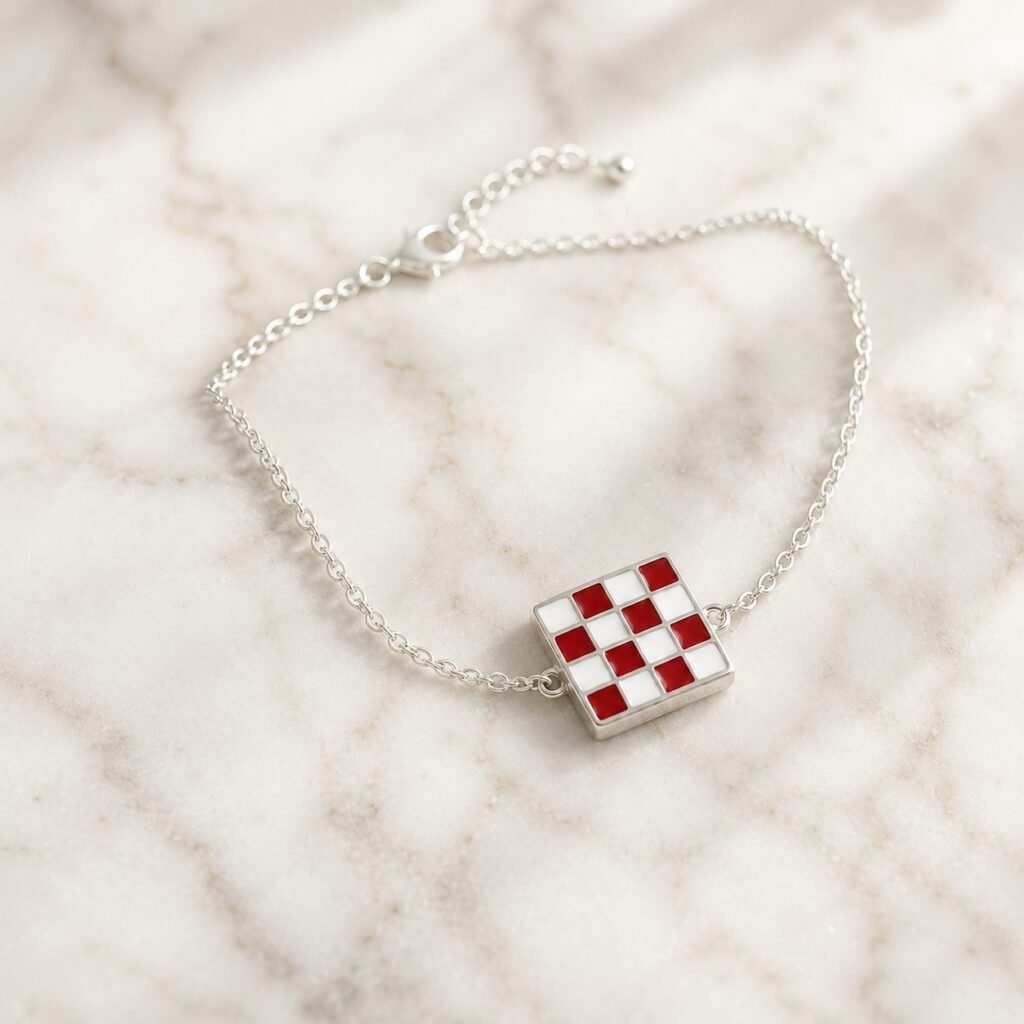
Enamel bracelets can include colored charms, decorative links, geometric patterns, and gemstone elements.
The design should consider everyday wear, clasp performance, flexibility, and the durability of decorative surfaces.
Combining Enamel with Gemstone Jewelry
The combination of gemstones and enamel offers jewelry designers additional creative possibilities.
Natural gemstones can provide distinctive colors and visual characteristics, while enamel can complement or contrast with the selected stones.
Possible design combinations include:
- Amethyst with lavender enamel
- Garnet with deep red enamel
- Moonstone with white or pastel enamel
- Turquoise with blue and green enamel
- Onyx with black and white enamel
- Peridot with green enamel
These combinations are illustrative design ideas that can be adapted according to a brand’s identity and collection requirements.
Gemstone selection should also consider durability, treatment disclosures, setting requirements, and compatibility with the enameling process.
Heat-sensitive gemstones, for example, require particular consideration when developing jewelry using fired enamel.
How Does Custom Enamel Jewelry Manufacturing Work?
A structured jewelry manufacturing process helps translate creative concepts into commercially viable products.
Step 1: Design Concept and Product Development
The manufacturing process begins with a design concept.
Jewelry brands can share sketches, technical drawings, reference photographs, CAD files, or original design ideas with their manufacturing partner.
A detailed design brief should include:
- Jewelry category and dimensions
- Preferred metal
- Enamel color references
- Gemstone requirements
- Surface finish
- Estimated order quantity
- Target price range
Clear specifications help manufacturers evaluate the feasibility of each design.
Step 2: CAD Design and Technical Planning
Computer-aided design, commonly known as CAD, can help convert jewelry concepts into detailed digital models.
During this stage, designers and manufacturers can evaluate product dimensions, enamel recesses, gemstone placement, metal thickness, and structural details.
Proper technical planning is important for achieving the intended appearance while maintaining product functionality.
Step 3: Metal Casting and Preparation
Depending on the design, the jewelry base may be manufactured through casting, fabrication, or other suitable production techniques.
The metal surface is then prepared for subsequent decorative processes.
Surface preparation is particularly important because contamination, irregularities, and unsuitable construction can affect the quality of the enamel finish.
Step 4: Enamel Color Selection and Application
The selected enamel material is prepared and applied to the designated areas of the jewelry.
Depending on the design, the application may involve individual color sections, decorative patterns, recessed details, or larger colored surfaces.
Buyers should approve physical color references whenever possible because digital images and screen settings may not accurately represent finished enamel shades.
Step 5: Firing or Curing
The enamel is processed using a method appropriate to its material.
Vitreous enamel requires firing, while resin-based finishes cure according to the specifications of their formulation.
The selected method influences the appearance and performance of the decorative surface.
Step 6: Gemstone Setting and Finishing
Where gemstones are included, the production sequence should account for their compatibility with heat, chemicals, and other manufacturing processes.
The jewelry may then undergo polishing, plating, assembly, or other finishing procedures, depending on the approved specifications.
Step 7: Sample Approval and Bulk Production
Before proceeding with a wholesale order, brands should review physical samples.
The approved sample establishes a reference for color, dimensions, finishing, gemstone placement, and overall product appearance.
Once commercial terms and quality requirements are agreed upon, the manufacturer can proceed with production.
Why Jaipur Is a Sourcing Destination for Enamel Jewelry
Jaipur has a longstanding association with gemstone processing, jewelry design, and traditional decorative craftsmanship.
One of the city’s notable jewelry traditions is Meenakari, a form of decorative enameling associated with intricate patterns and colorful artistic details.
Today, Jaipur’s jewelry ecosystem offers opportunities for combining traditional design influences with contemporary jewelry concepts.
International brands interested in sourcing from Jaipur may explore:
- Decorative enamel jewelry
- Custom gemstone collections
- Sterling silver jewelry
- Floral and artistic patterns
- Traditional and contemporary design combinations
However, buyers should evaluate each manufacturer’s actual technical expertise, production capabilities, and quality standards before placing an order.
Customization Options for Private Label Enamel Jewelry
When developing a private label collection, brands should discuss the customization options available for their specific designs.
| Customization category | Potential options |
|---|---|
| Metal | 925 sterling silver or other agreed metals |
| Enamel colors | Pastel, neutral, vibrant or multicolored palettes |
| Jewelry designs | Floral, geometric, minimalist or statement styles |
| Gemstones | Natural or laboratory-created stones |
| Surface finishing | Polished, textured, oxidized or plated finishes |
| Branding | Engraving, logos or identification marks |
| Product categories | Rings, earrings, pendants and bracelets |
| Packaging | Agreed protective or branded packaging |
The availability of these options depends on manufacturing capabilities, technical feasibility, and order requirements.
What Determines Custom Enamel Jewelry Manufacturing Costs?
The cost of private label enamel jewelry varies according to product specifications and manufacturing requirements.
Metal Type and Weight
Precious metal prices and the amount of metal required influence the overall production cost.
Design Complexity
Intricate patterns, detailed enamel sections, and multiple decorative elements may require additional development and labor.
Number of Enamel Colors
Multicolored designs can involve more application stages and inspection requirements than simpler designs.
Gemstone Selection
Gemstone type, size, quality, treatment, and availability can affect product pricing.
Sampling and Development
Custom CAD designs, tooling, color trials, prototypes, and sample revisions may involve separate costs.
Order Quantity
Manufacturing quantities influence how development expenses are distributed across individual products.
For an accurate quotation, buyers should provide detailed specifications rather than relying solely on general price estimates.
Understanding MOQ and Sampling for Enamel Jewelry
Minimum order quantity, or MOQ, is an important consideration when developing a custom enamel jewelry collection.
Order requirements may depend on the complexity of the jewelry, enamel formulation, color variations, materials, tooling, and production methods.
Before confirming an order, ask your manufacturer:
- Is the MOQ calculated per design or per color?
- Can different sizes be combined?
- Are customized enamel colors available for small orders?
- What are the sample development charges?
- Can approved designs be reordered later?
- How long will production take?
Physical sampling is particularly valuable for enamel jewelry because color accuracy, gloss, surface texture, and decorative details can be difficult to evaluate through photographs alone.
Quality Control in Custom Enamel Jewelry Manufacturing
Consistent quality is essential for private label brands selling jewelry internationally.
A well-defined inspection process helps establish whether manufactured products meet approved specifications.
Important quality control points include:
- Enamel color consistency
- Surface smoothness and appearance
- Absence of unacceptable bubbles or cracks
- Secure enamel adhesion
- Accurate jewelry dimensions
- Verified metal specifications
- Secure gemstone settings
- Functional clasps and closures
- Consistency with approved samples
Buyers should also discuss appropriate durability and material testing based on the intended product use and target market.
For repeat wholesale orders, keeping an approved physical reference sample can help reduce differences between production batches.
Enamel Jewelry Manufacturing for USA, UK, and European Brands
International jewelry businesses should consider market-specific requirements when developing enamel collections.
USA Jewelry Brands
American jewelry businesses should pay attention to accurate metal descriptions, gemstone disclosures, product labeling, and applicable material safety requirements.
UK Jewelry Brands
UK retailers should consider applicable precious-metal hallmarking obligations, consumer product safety requirements, and accurate material descriptions.
European Jewelry Brands
European Union buyers should evaluate relevant chemical restrictions, product safety obligations, traceability requirements, and supporting material documentation.
Because enamel formulations and jewelry materials can vary, international buyers should request appropriate product specifications and compliance documentation before importing jewelry.
How to Care for Enamel Jewelry
Providing accurate jewelry care instructions can help retailers improve customer satisfaction and reduce avoidable product damage.
General care recommendations include:
- Avoid dropping jewelry onto hard surfaces.
- Protect enamel from strong impacts.
- Avoid unnecessary exposure to harsh chemicals and cleaning products.
- Store jewelry separately to reduce scratching.
- Clean gently using a soft cloth and an appropriate cleaning method.
Care requirements depend on the enamel material, metal finish, gemstones, and construction of each piece.
Brands should obtain product-specific care recommendations from their manufacturing partner.
Why Partner with Shri Shyam Gems and Jewelry?
At Shri Shyam Gems and Jewelry, we welcome inquiries from international jewelry brands, independent designers, wholesalers, and retailers exploring custom enamel jewelry and private label collections.
Based in Jaipur, India, our product focus includes sterling silver jewelry, gemstone jewelry, enamel designs, and custom jewelry sourcing opportunities.
Whether you are planning a colorful enamel ring collection, gemstone pendants with decorative enamel accents, or coordinated earrings and bracelets, sharing your design requirements is the first step toward evaluating your project.
To discuss your collection, prepare the following information:
- Design sketches or reference images
- Preferred metal and gemstone specifications
- Enamel color requirements
- Estimated order quantities
- Branding and finishing preferences
- Target delivery date and destination country
A clear product brief helps establish suitable customization options, sampling requirements, and manufacturing quotations.
Frequently Asked Questions
Can I customize enamel jewelry for my own brand?
Yes. Custom enamel jewelry manufacturers can develop products based on agreed design, color, material, and branding specifications, subject to their technical capabilities.
Can enamel be combined with 925 sterling silver?
Yes. Enamel finishes can be incorporated into sterling silver jewelry when appropriate materials and production techniques are selected.
What is the difference between hot enamel and cold enamel?
Hot enamel generally refers to traditional glass-based enamel fused to metal through firing. Cold enamel commonly refers to resin-based decorative finishes that harden through curing.
They differ in composition, production methods, and care requirements.
Can I add natural gemstones to enamel jewelry?
Yes. Gemstones and enamel can be combined in jewelry designs. The production method must account for gemstone durability, temperature sensitivity, and setting requirements.
What is the MOQ for custom enamel jewelry?
Minimum order quantities depend on design complexity, materials, enamel colors, production methods, and manufacturer policies. Request a project-specific quotation for accurate information.
Can I request samples before placing a wholesale order?
Discuss sample development with your manufacturing partner. Physical samples are recommended for evaluating enamel colors, finishing, dimensions, and overall product quality before bulk production.
Can I develop enamel jewelry collections for the USA, UK, and Europe?
Yes, subject to applicable manufacturing, export, import, and product compliance requirements. Buyers should confirm the necessary documentation and market-specific standards.
Conclusion
Custom enamel jewelry manufacturing offers international jewelry brands an opportunity to combine color, craftsmanship, and personalized design.
From contemporary sterling silver enamel rings to artistic gemstone pendants and colorful earrings, enamel provides a versatile approach to developing distinctive private label jewelry collections.
Choosing the right manufacturing partner, approving physical samples, and establishing clear quality requirements are essential steps toward a successful collection.
Ready to Create Your Own Private Label Enamel Jewelry Collection?
Partner with Shri Shyam Gems and Jewelry to explore custom enamel jewelry manufacturing and wholesale sourcing opportunities in Jaipur, India.
Share your design concepts, preferred colors, gemstone requirements, and estimated quantities to discuss your next jewelry collection.
Visit: https://shrishyamgemsandjewelry.com/
Bring your creative ideas to life with custom enamel jewelry designed around your brand.

Leave a Reply