
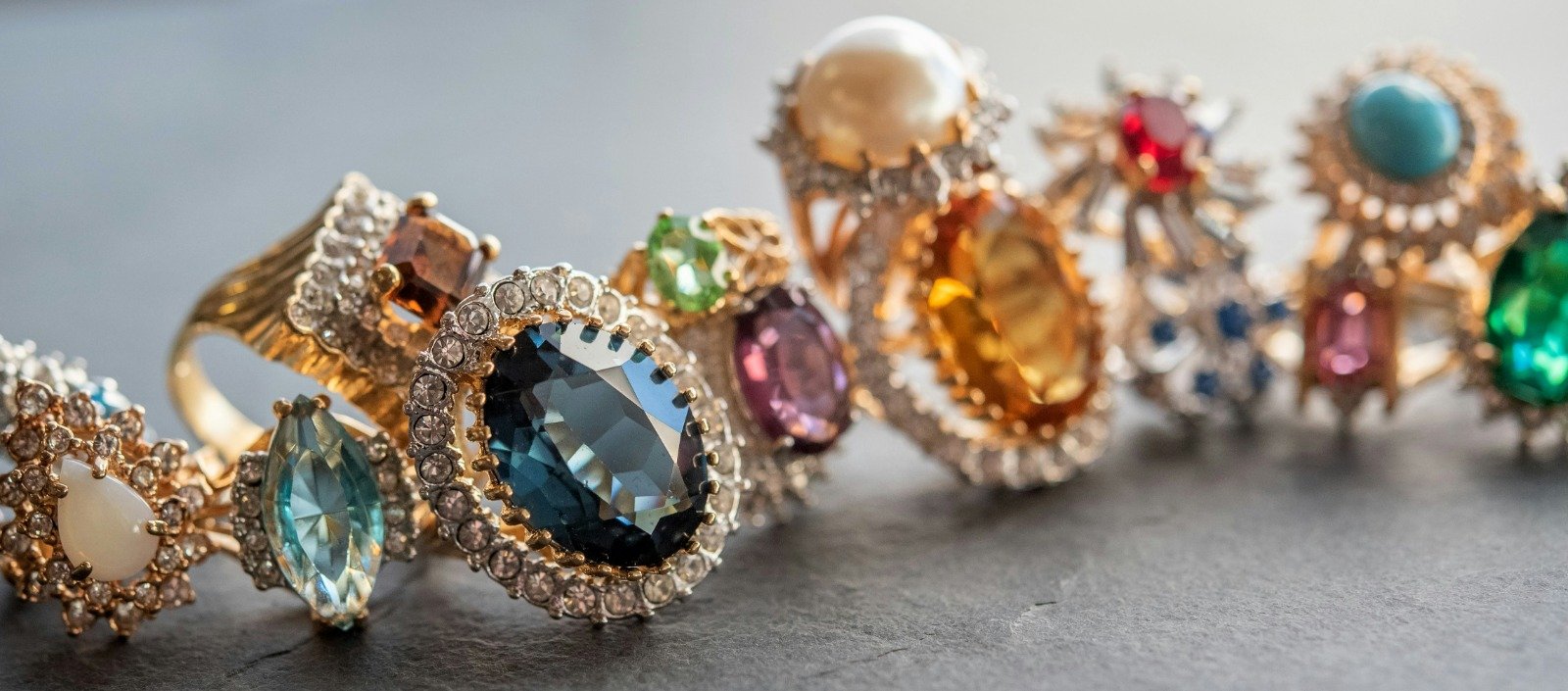
The global jewelry industry offers exciting opportunities for entrepreneurs, independent designers, established retailers, and emerging fashion brands. However, transforming a jewelry concept into a successful product collection requires more than creative ideas. It requires a reliable manufacturing partner, consistent quality, suitable materials, and a clear production process.
This is where private label jewelry manufacturing in India can become a valuable option for international jewelry businesses.
India has a long history of jewelry craftsmanship, gemstone cutting, silver jewelry production, and export-oriented manufacturing. Jaipur, Rajasthan, is particularly well known for its gemstone and jewelry industry.
For jewelry brands in the USA, UK, and Europe, working with an experienced manufacturing partner in India can provide access to specialized craftsmanship, flexible design development, and a wide range of jewelry materials.
In this guide, we explain how private label jewelry manufacturing works, what buyers should consider, and how to prepare for a successful manufacturing partnership.
What Is Private Label Jewelry Manufacturing?
- Private label jewelry manufacturing is a business model in which a jewelry manufacturer produces products that another company sells under its own brand name.
Instead of investing in an independent production facility, jewelry brands can work with a manufacturing partner to develop and produce their collections.
Depending on the manufacturer’s capabilities, private label services may include:
-
- Custom jewelry design and development
-
- CAD modeling and technical drawings
-
- Jewelry sampling and prototyping
-
- Sterling silver jewelry manufacturing
-
- Gemstone selection and setting
-
- Casting, polishing, and finishing
-
- Custom engraving and branding
-
- Production and quality inspection
This approach allows jewelry businesses to concentrate on branding, marketing, customer acquisition, and sales while coordinating production with a specialist manufacturer.
For example, a jewelry brand based in New York may want to introduce a collection of sterling silver gemstone rings. Rather than purchasing manufacturing equipment, the brand can share its designs and specifications with a jewelry manufacturer in India.
The manufacturer can then evaluate the designs, prepare samples, and discuss production requirements before proceeding with an approved order.
Why Choose India for Private Label Jewelry Manufacturing?
India is an established destination for jewelry sourcing and manufacturing. Its jewelry industry combines traditional craftsmanship with modern production techniques.
1. Skilled Jewelry Craftsmanship
Indian jewelry artisans have experience working with precious metals, gemstones, intricate designs, and decorative finishes.
Depending on the production facility, jewelry manufacturing may combine hand-finishing techniques with CAD modeling, casting, stone setting, and modern polishing equipment.
This combination is especially valuable for jewelry brands seeking distinctive designs.
2. Access to Sterling Silver and Gemstone Expertise
India has established supply networks for precious metals, gemstones, jewelry components, and manufacturing services.
Jaipur is particularly associated with colored gemstones and gemstone jewelry craftsmanship.
For brands developing sterling silver and gemstone collections, sourcing from Jaipur can provide access to specialized production knowledge.
However, buyers should always verify gemstone descriptions, material specifications, and quality documentation before placing an order.
3. Customization Opportunities
Private label manufacturing can help jewelry businesses create collections that reflect their individual brand identity.
Depending on the manufacturer, customization may include:
-
- Ring shapes and gemstone settings
-
- Pendant sizes and designs
-
- Earring styles and finishes
-
- Metal selection
-
- Surface textures
-
- Engraving
-
- Gemstone combinations
-
- Packaging and presentation
The available customization options should be confirmed during the initial product development discussion.
4. Production Cost Considerations
Manufacturing costs depend on several factors, including metal weight, gemstone selection, design complexity, labor requirements, finishing, and order quantities.
India may offer commercially attractive manufacturing options for certain jewelry categories, but buyers should compare the complete landed cost rather than focusing exclusively on the factory price.
Shipping, import duties, testing, packaging, and potential quality-related costs can all affect profitability.
How Does the Private Label Jewelry Manufacturing Process Work?
Understanding the production process helps jewelry brands avoid delays, unexpected expenses, and quality issues.
Step 1: Share Your Jewelry Concept
The process begins with a design brief.
A jewelry brand may provide sketches, reference photographs, CAD files, technical drawings, or physical samples.
A useful design brief should include:
-
- Jewelry category
-
- Preferred metal and purity
-
- Gemstone type and dimensions
-
- Product measurements
-
- Desired finish
-
- Estimated order quantity
-
- Target retail price
-
- Target market
Providing detailed specifications makes it easier for a manufacturer to assess production feasibility.
Step 2: CAD Design and Technical Development
Computer-aided design, commonly called CAD, helps translate a jewelry concept into a detailed digital model.
CAD models can help manufacturers evaluate dimensions, stone placement, proportions, and technical requirements.
For custom jewelry brands, this stage is particularly important because even small design changes can affect weight, durability, and production cost.
Buyers should review and approve the technical design before sample production begins.
Step 3: Jewelry Sampling and Prototyping
After the design is approved, the next stage is sample development.
A sample allows the buyer to evaluate the physical product before committing to a larger manufacturing order.
Important inspection points include:
-
- Product dimensions and weight
-
- Surface finishing
-
- Gemstone setting security
-
- Comfort and wearability
-
- Clasp and closure performance
-
- Engraving accuracy
-
- Overall appearance
If modifications are required, the manufacturer and buyer should agree on revisions before final approval.
Step 4: Material Selection
Material selection plays a major role in the appearance, durability, and price of a jewelry collection.
For sterling silver jewelry, 925 silver is a widely used option. It contains 92.5% silver by mass, with the remaining percentage consisting of alloying metals.
Jewelry brands may also explore different gemstones, surface finishes, and plating options.
It is important to specify whether gemstones are natural, laboratory-grown, synthetic, or treated, where applicable.
Step 5: Manufacturing and Finishing
Once the approved sample and commercial terms are finalized, production can begin.
Depending on the design, manufacturing may involve casting, assembly, soldering, gemstone setting, polishing, plating, and finishing.
Production methods vary by product type and manufacturer.
A simple silver pendant and an intricate gemstone ring may require significantly different processes and timelines.
Step 6: Quality Inspection
Quality control is essential when producing jewelry for international retail markets.
Before shipment, buyers should establish inspection criteria for:
-
- Metal purity
-
- Product measurements
-
- Gemstone specifications
-
- Stone setting security
-
- Surface defects
-
- Plating quality, where applicable
-
- Functional components
-
- Packaging accuracy
Manufacturers and buyers should agree on acceptable tolerances and inspection procedures in advance.
Step 7: Packaging and International Shipping
After production and inspection, jewelry is prepared for shipment.
Packaging requirements may vary depending on whether the buyer is a wholesale distributor, online retailer, or established jewelry brand.
International buyers should confirm shipping terms, insurance, customs documentation, and applicable import requirements before dispatch.
Private Label vs OEM vs ODM Jewelry Manufacturing
These manufacturing models are related but have important differences.
Private Label Jewelry Manufacturing
A manufacturer produces jewelry that another company sells under its own brand. Products may be customized or based on existing designs, depending on the agreement.
OEM Jewelry Manufacturing
Original Equipment Manufacturing generally involves producing jewelry according to specifications or designs supplied by the buyer.
This model is useful for brands with established product designs and detailed technical requirements.
ODM Jewelry Manufacturing
Original Design Manufacturing typically involves a manufacturer providing designs or product development capabilities that buyers can select or adapt.
This can be useful for businesses that need assistance developing a collection.
The exact meaning of these terms can vary between suppliers. Buyers should confirm design ownership, exclusivity, tooling rights, and customization options in writing.
Why Is 925 Sterling Silver Popular for Private Label Jewelry?
Sterling silver is a widely used material in fashion and fine jewelry categories.
Its appearance, workability, and compatibility with many gemstones make it suitable for a broad range of designs.
Private label jewelry collections may include:
-
- Sterling silver gemstone rings
-
- Minimalist silver pendants
-
- Custom silver earrings
-
- Gemstone bracelets
-
- Personalized jewelry
-
- Engraved silver accessories
-
- Statement gemstone jewelry
For international jewelry brands, sterling silver offers opportunities to develop collections across different design styles and price points.
However, buyers should consider metal purity verification, finishing quality, potential tarnishing, care instructions, and applicable market requirements.
How Much Does Private Label Jewelry Manufacturing Cost?
There is no single manufacturing price that applies to every jewelry design.
Pricing depends on the specifications of each product.
Metal Weight
Heavier jewelry generally requires more metal, increasing material costs.
Gemstone Selection
Gemstone type, size, quality, origin, treatment, and availability can influence pricing.
Design Complexity
Intricate designs, multiple stone settings, and specialized finishing may increase production time and labor requirements.
Sampling and Tooling
Custom designs may involve CAD development, molds, prototypes, or other one-time development expenses.
Order Quantity
Larger production quantities may allow certain fixed costs to be distributed across more units.
However, pricing depends on the manufacturer’s production process and commercial terms.
Packaging and Logistics
Custom packaging, shipping, insurance, import duties, and inspection requirements should also be considered.
Buyer tip: Request an itemized quotation that clearly separates sample costs, tooling costs, production prices, packaging, and shipping terms.
What Is the Minimum Order Quantity for Private Label Jewelry?
Minimum order quantity, or MOQ, refers to the smallest quantity a manufacturer is willing to produce under specified commercial conditions.
MOQ requirements vary depending on product complexity, material availability, production method, and manufacturer policies.
For example, a manufacturer may have different requirements for an existing design and a fully customized gemstone jewelry collection.
Before ordering, buyers should ask:
-
- Is the MOQ calculated per design or per variation?
-
- Can ring sizes be combined within one order?
-
- Can different gemstone colors be included?
-
- Are samples available before bulk production?
-
- Does the unit price change with quantity?
-
- Are repeat orders subject to the same MOQ?
Clarifying these details early helps buyers plan their budgets and inventory.
How to Choose the Right Private Label Jewelry Manufacturer in India
Selecting the right manufacturing partner is one of the most important decisions for a jewelry brand.
Consider the following factors.
Manufacturing Specialization
Choose a supplier with relevant experience in the jewelry category you want to produce.
A manufacturer specializing in gemstone silver jewelry may be more suitable for a gemstone-focused collection than a supplier primarily producing unrelated fashion accessories.
Communication and Technical Understanding
A reliable manufacturing partner should be able to discuss design requirements, materials, technical limitations, and production expectations clearly.
Sample Quality
Review physical samples before making significant production commitments.
Samples provide valuable insight into craftsmanship, finishing, and manufacturing consistency.
Transparent Commercial Terms
Confirm quotation validity, payment schedules, development charges, production timelines, and responsibilities for defective products.
Quality and Compliance
International buyers should verify the applicable requirements in their destination markets.
For example, UK hallmarking rules, European chemical restrictions, and US jewelry labeling requirements may affect product specifications and documentation.
Compliance obligations depend on the product and market, so buyers should obtain appropriate professional or regulatory guidance where necessary.
Long-Term Production Capabilities
A good manufacturing relationship should support repeat orders, consistent specifications, and future collection development.
Ask how the supplier manages approved samples, design revisions, production records, and quality consistency.
Why Jaipur Is an Important Destination for Custom Gemstone Jewelry
Jaipur, the capital of Rajasthan, has a longstanding association with gemstones, jewelry craftsmanship, and trading.
The city’s jewelry ecosystem includes gemstone cutting, polishing, jewelry design, metalworking, and related services.
This makes Jaipur a relevant sourcing destination for brands interested in colored gemstone jewelry and sterling silver designs.
However, location alone does not guarantee quality.
International buyers should evaluate each manufacturer’s actual production capabilities, material documentation, quality standards, and commercial reliability.
Private Label Jewelry Manufacturing for USA, UK, and European Brands
International buyers have additional considerations beyond design and pricing.
USA Jewelry Brands
US buyers should evaluate metal descriptions, gemstone disclosures, import classification, country-of-origin marking, and relevant consumer protection requirements.
UK Jewelry Businesses
UK brands should understand applicable hallmarking obligations, product descriptions, import procedures, and responsibilities for placing jewelry on the market.
European Jewelry Retailers
EU buyers should consider relevant product safety requirements, chemical restrictions, traceability obligations, and documentation requirements.
Across all markets, clear product specifications and transparent communication are essential.
Partnering with Shri Shyam Gems and Jewelry
At Shri Shyam Gems and Jewelry, our focus is on helping jewelry businesses explore custom and wholesale jewelry sourcing opportunities from Jaipur, India.
For brands interested in sterling silver and gemstone jewelry, the first step is to understand the intended product designs, materials, customization requirements, and commercial expectations.
Whether you are developing your first jewelry collection or evaluating a new sourcing partner, a detailed discussion can help establish the appropriate manufacturing approach.
We encourage prospective buyers to share their design concepts, reference images, preferred materials, estimated quantities, and destination markets when requesting information.
This helps create a clearer foundation for evaluating manufacturing feasibility, sampling, and pricing.
Frequently Asked Questions
1. What is a private label jewelry manufacturer?
A private label jewelry manufacturer produces jewelry that another business sells under its own brand. The arrangement may include existing designs, customized products, or fully developed collections.
2. Can I manufacture my own jewelry designs in India?
Yes. Custom jewelry manufacturing is available through suppliers that offer suitable design development and production capabilities. Buyers should confirm technical feasibility, design ownership, and sampling requirements.
3. Is 925 sterling silver suitable for private label jewelry?
Yes. Sterling silver is commonly used for rings, earrings, pendants, bracelets, and gemstone jewelry. Material specifications and quality requirements should be agreed upon before production.
4. Can jewelry manufacturers in India ship to the USA, UK, and Europe?
Many Indian jewelry manufacturers serve international markets. Shipping availability, export documentation, customs responsibilities, and delivery arrangements should be confirmed with the selected supplier.
5. How long does custom jewelry manufacturing take?
Timelines vary depending on design complexity, sample revisions, material availability, production quantity, and shipping arrangements. Buyers should request a written schedule for each project.
6. How do I get a quotation for private label jewelry manufacturing?
Prepare your design references, metal specifications, gemstone requirements, estimated quantities, target delivery date, and destination country. A detailed brief helps manufacturers provide a more accurate quotation.
Conclusion
Private label jewelry manufacturing in India can provide an effective sourcing model for brands looking to develop distinctive jewelry collections without operating their own production facilities.
From CAD development and sampling to material selection, production, and quality control, each stage plays an important role in achieving a successful outcome.
For international buyers, choosing the right manufacturing partner involves more than comparing prices. Product quality, communication, transparent specifications, and dependable production processes are equally important.
Looking for a custom or private label jewelry manufacturing partner in India?
Explore the jewelry collections and manufacturing information available at Shri Shyam Gems and Jewelry.
Share your design ideas, preferred materials, estimated order quantities, and destination market to discuss your jewelry sourcing requirements.
Visit: https://shrishyamgemsandjewelry.com/
Start a conversation about your next jewelry collection.