
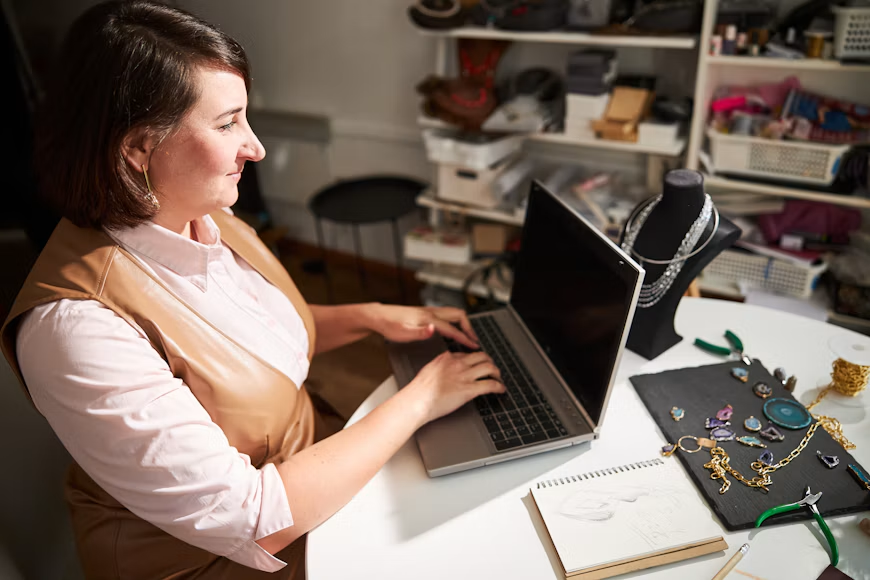
Starting your own jewelry brand is an exciting opportunity to turn creative ideas into a successful business. Whether you want to launch a minimalist sterling silver collection, a gemstone jewelry line, or a luxury-inspired accessories brand, choosing the right manufacturing partner is one of the most important decisions you will make.
For entrepreneurs in the USA, UK, and Europe, working with a private label jewelry manufacturer in India can provide access to jewelry craftsmanship, product customization, and established manufacturing resources without the need to build an in-house production facility.
But how do you start a private label jewelry brand? What should you consider before investing in your first collection?
In this comprehensive guide, we explain the essential steps involved in launching a jewelry brand, from identifying your target audience and developing designs to selecting materials, manufacturing samples, and preparing for your first product launch.
What Is a Private Label Jewelry Brand?
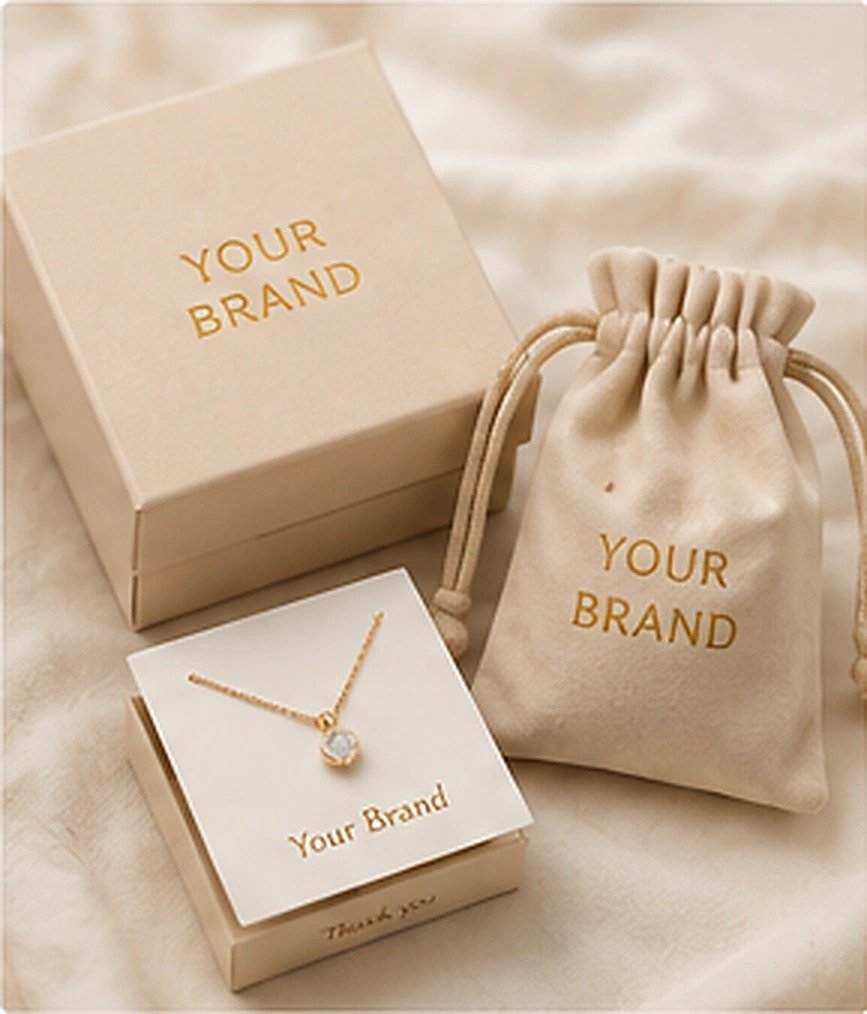
A private label jewelry brand is a business that sells jewelry under its own brand name while outsourcing production to a manufacturing partner.
Instead of manufacturing every product independently, the brand collaborates with a jewelry manufacturer to develop or customize collections according to its requirements.
Depending on the agreement, private label jewelry manufacturing may include:
- Custom jewelry design and development
- 925 sterling silver jewelry production
- Gemstone selection and customization
- CAD design and prototyping
- Custom engraving and finishing
- Jewelry sampling
- Wholesale production
- Branded packaging options
For example, an entrepreneur in the United States may want to launch a collection of sterling silver gemstone rings. By working with a custom jewelry manufacturer in India, the entrepreneur can focus on branding, marketing, and sales while coordinating product development and manufacturing with a specialized supplier.
This business model can be suitable for startups, independent designers, online jewelry stores, and established retailers expanding their product ranges.
Step 1: Identify Your Jewelry Brand’s Niche
Before approaching a private label jewelry manufacturer, define the type of jewelry you want to sell.
A clear niche helps you develop a recognizable brand identity, understand customer expectations, and make better manufacturing decisions.
Popular Jewelry Niches to Consider
925 Sterling Silver Jewelry
Sterling silver is widely used for rings, earrings, bracelets, necklaces, and pendants. Its versatility makes it suitable for minimalist, contemporary, and gemstone-focused collections.
Natural Gemstone Jewelry
Gemstone jewelry can appeal to customers interested in distinctive colors, natural materials, and individual design styles.
Popular options include amethyst, garnet, moonstone, turquoise, and other colored gemstones.
Always ensure gemstone types, treatments, and origins are described accurately.
Minimalist Jewelry
Minimalist collections typically focus on simple shapes, delicate designs, and versatile pieces suitable for everyday styling.
Personalized Jewelry
Engraved pendants, initials, birthstone jewelry, and custom designs offer opportunities for brands focused on meaningful gifts.
Statement Jewelry
Bold gemstone rings, oversized earrings, and decorative pendants can help brands establish a distinctive visual identity.
How to Choose the Right Niche
Research your target customers, competitors, preferred retail price points, and product preferences.
For example, a brand targeting independent boutiques in London may require a different product assortment from an online jewelry business targeting younger consumers in the United States.
Practical tip: Begin with a focused product category rather than launching too many unrelated jewelry styles.
Step 2: Research Your Target Market and Competitors
Understanding your customers is essential before investing in product development.
Study established jewelry brands and emerging competitors to identify gaps in the market.
Consider the following questions:
- Which jewelry styles are customers purchasing?
- What materials are commonly used?
- How do competing brands position their products?
- What retail price ranges are common?
- Which customer needs are not being addressed?
- What makes successful jewelry brands distinctive?
You can also explore customer reviews, online marketplaces, social media discussions, and retailer websites to understand purchasing preferences.
Understand Regional Differences
USA: Evaluate online shopping behavior, independent jewelry brands, personalization opportunities, and customer expectations around product quality.
UK: Research contemporary silver jewelry, independent designers, gifting occasions, and relevant hallmarking requirements.
Europe: Explore country-specific design preferences, product safety expectations, material disclosures, and sourcing considerations.
Rather than assuming one jewelry collection will perform equally well everywhere, develop products based on the needs of your chosen audience.
Step 3: Create Your Jewelry Brand Identity
Your brand identity is more than a logo. It represents the personality, positioning, and values of your business.
Before starting production, establish the following elements.
Brand Name
Choose a distinctive name that reflects your intended audience and product positioning.
Check relevant business registers, trademark databases, domain availability, and social media handles before committing to the name.
Brand Positioning
Decide whether your brand will focus on affordable everyday jewelry, premium gemstone collections, personalized accessories, or another specific category.
Visual Identity
Develop a consistent visual style using your logo, typography, packaging, product photography, and website design.
Unique Selling Proposition
Identify what makes your jewelry different.
Your advantage might involve original designs, specialized gemstone combinations, distinctive craftsmanship, personalization, or a clearly defined aesthetic.
A strong brand identity helps customers recognize your products and gives your manufacturing partner clearer direction during product development.
Step 4: Find a Reliable Private Label Jewelry Manufacturer
Choosing the right manufacturing partner is a critical step when starting your own jewelry brand.
A suitable manufacturer should understand your design requirements, materials, product specifications, and commercial expectations.
Why Consider a Jewelry Manufacturer in India?
India has an established jewelry manufacturing industry with expertise in precious metals, gemstone processing, and decorative craftsmanship.
Jaipur, Rajasthan, is particularly associated with gemstone cutting, polishing, and jewelry production.
For brands developing sterling silver and gemstone jewelry collections, working with a manufacturer in Jaipur may provide access to specialized skills and production resources.
However, manufacturing capabilities vary between suppliers, so buyers should evaluate each company individually.
Questions to Ask Before Choosing a Manufacturer
- What jewelry categories do you manufacture?
- Do you offer custom design development?
- Can you produce 925 sterling silver jewelry?
- What gemstone options are available?
- What is your minimum order quantity?
- Can you provide samples before bulk production?
- How are manufacturing costs calculated?
- What quality control procedures are used?
- What are your production timelines?
- What international shipping arrangements are available?
A transparent discussion can help prevent misunderstandings during production.
Step 5: Develop Your First Jewelry Collection
Once you have identified your niche and shortlisted potential manufacturers, begin developing your collection.
Your initial product range should reflect your brand identity while remaining manageable from a production and inventory perspective.
Start with a Focused Collection
For example, a sterling silver gemstone jewelry brand might begin with:
- Three gemstone ring designs
- Two pendant designs
- Two earring designs
- One bracelet design
This eight-design collection is only an illustrative starting point. The appropriate number of products depends on your budget, target customers, and manufacturing requirements.
Prepare a Design Brief
A detailed design brief helps manufacturers understand your expectations.
Include:
- Reference photographs or sketches
- Preferred metal and purity
- Gemstone types and sizes
- Product measurements
- Surface finish
- Estimated quantities
- Target retail prices
- Packaging requirements
If you already have technical drawings or CAD files, share them with your prospective manufacturer.
Understand Design Ownership
Before developing custom products, clarify who owns the designs, CAD files, molds, and tooling.
If exclusivity matters to your business, discuss intellectual property protections and written agreements before production begins.
Step 6: Choose the Right Jewelry Materials
Material selection affects product appearance, durability, manufacturing costs, and customer satisfaction.
925 Sterling Silver
Sterling silver contains 92.5% silver by mass, with the remainder consisting of other metals.
It is widely used in jewelry manufacturing because it offers a combination of appearance, workability, and suitability for many design styles.
Sterling silver can be used for gemstone rings, pendants, earrings, bracelets, and personalized jewelry.
Gemstones
Gemstones can add color, individuality, and distinctive design characteristics to a jewelry collection.
When selecting gemstones, consider:
- Natural or laboratory-created origin
- Color and clarity
- Size and shape
- Treatment disclosures
- Availability
- Durability
- Consistency between production batches
Jewelry Finishes
Depending on manufacturing capabilities, jewelry may be available with polished, oxidized, textured, or plated finishes.
Ask your manufacturer about the durability, maintenance, and care requirements associated with each option.
Important: Material descriptions and gemstone claims must be accurate and appropriate for the markets where your jewelry will be sold.
Step 7: Request Jewelry Samples Before Bulk Production
Sampling is one of the most important stages in private label jewelry manufacturing.
A physical sample helps you determine whether the finished product matches your expectations.
What Should You Check?
Design accuracy: Does the product match your approved drawing or reference?
Metal quality: Does the product meet the agreed material specifications?
Gemstone setting: Are stones properly positioned and securely set?
Finishing: Are surfaces polished and free from unacceptable defects?
Comfort: Is the jewelry comfortable and practical to wear?
Measurements: Are dimensions, ring sizes, and weights within agreed tolerances?
Packaging: Does the packaging protect the jewelry during handling and shipping?
If a sample requires modifications, communicate the changes clearly and obtain approval of the revised version before production.
Avoid placing a significant bulk order solely on the basis of photographs.
Step 8: Understand MOQ and Jewelry Manufacturing Costs
Minimum order quantity, commonly called MOQ, is the minimum quantity a manufacturer requires for a particular order or production arrangement.
MOQ policies vary depending on design complexity, production methods, materials, and supplier requirements.
For new jewelry brands, understanding MOQ is essential because it affects inventory investment and cash flow.
What Determines Jewelry Manufacturing Costs?
Metal weight: Heavier products generally require more precious metal.
Gemstone selection: Stone type, size, quality, and availability influence costs.
Design complexity: Detailed designs and specialized settings may require additional labor.
Sampling: CAD development, prototypes, and revisions may involve separate charges.
Order quantity: Production quantities can influence unit pricing.
Finishing: Plating, engraving, and specialized surface treatments may increase costs.
Shipping and duties: International transportation and import-related expenses affect the total landed cost.
How to Calculate Your Jewelry Pricing
Before setting a retail price, calculate your complete cost per product.
For example, assume the following hypothetical expenses for one jewelry item:
| Cost component | Illustrative amount |
|---|---|
| Manufacturing | $12 |
| Packaging | $2 |
| Freight and import-related costs | $3 |
| Total landed cost | $17 |
If the product sells for $45, the gross margin before marketing, payment processing, returns, and overhead is approximately 62%.
This is an illustrative calculation, not a supplier quotation.
A profitable jewelry brand must account for all operating expenses rather than relying only on the difference between manufacturing and retail prices.
Step 9: Plan Quality Control and International Shipping
When working with an overseas jewelry manufacturer, quality control and logistics deserve careful attention.
Establish written specifications for metal purity, gemstones, measurements, finishes, packaging, and acceptable production tolerances.
Ask how products are inspected and how any manufacturing defects are handled.
International Shipping Considerations
For brands in the USA, UK, and Europe, important considerations include:
- Commercial invoices
- Customs classification
- Country-of-origin information
- Applicable duties and taxes
- Shipping insurance
- Importer responsibilities
- Product labeling
- Relevant jewelry safety and material regulations
Requirements differ by destination country and product type.
For example, UK hallmarking rules may apply to qualifying precious-metal jewelry, while EU regulations can impose relevant chemical and product safety obligations.
Consult the appropriate customs and regulatory authorities when preparing your first import shipment.
Step 10: Build Your Jewelry Brand’s Online Presence
Once your products are approved for production, prepare your sales and marketing channels.
Create a Professional Website
Your website should clearly communicate your brand identity, product quality, pricing, shipping policies, and customer service information.
Platforms such as Shopify and WooCommerce are common options for jewelry ecommerce businesses.
Invest in Product Photography
High-quality photography helps customers understand product details.
Use clear images showing jewelry from multiple angles, including close-ups of gemstones, settings, and finishes.
Lifestyle photographs can also help communicate the brand’s personality.
Develop an SEO Strategy
Search engine optimization can help potential customers discover your jewelry brand through Google.
Create useful content related to your products, materials, styling, care instructions, and customer questions.
For example, a sterling silver gemstone brand might publish articles about gemstone jewelry care, ring sizing, or choosing jewelry gifts.
Use Social Media
Instagram, Pinterest, and other visual platforms can support jewelry discovery and brand awareness.
Share product photographs, design development stories, behind-the-scenes content, and educational posts.
Consider Paid Advertising
Google Ads and paid social campaigns can help introduce your products to relevant audiences.
Start with controlled budgets and measure customer acquisition costs, conversion rates, and profitability before scaling.
Step 11: Launch Your First Jewelry Collection
A successful product launch requires preparation.
Before making your collection available to customers, confirm that product pages, inventory records, packaging, shipping arrangements, and customer support processes are ready.
Create a Launch Plan
Introduce your brand story and explain what makes your collection distinctive.
Consider offering early access to subscribers, working with suitable content creators, and sharing product previews.
Monitor Performance
After launch, evaluate:
- Website traffic
- Product page conversion rates
- Customer acquisition costs
- Average order value
- Gross margin
- Best-selling designs
- Returns and customer feedback
Use this information to improve your next collection and make more informed manufacturing decisions.
Common Mistakes to Avoid When Starting a Jewelry Brand
Ordering too much inventory: Large initial orders can create unnecessary financial pressure before customer demand has been established.
Choosing suppliers based only on price: Low manufacturing costs do not necessarily indicate good quality or dependable production.
Skipping physical samples: Product photographs cannot fully demonstrate fit, finishing, durability, or construction quality.
Ignoring product compliance: Inaccurate metal descriptions, missing gemstone disclosures, or inadequate labeling can create problems in international markets.
Launching too many designs: A focused collection is often easier to manage and market effectively.
Underestimating marketing expenses: Manufacturing is only one part of building a profitable jewelry business.
Avoiding these mistakes can help new brands manage risk and establish more sustainable operations.
Why Work with a Jewelry Manufacturing Partner in Jaipur, India?
Jaipur has a longstanding reputation for gemstone processing and jewelry craftsmanship.
For entrepreneurs developing sterling silver and gemstone collections, the city offers access to a jewelry-focused manufacturing ecosystem.
Working with a suitable manufacturing partner can help brands coordinate design development, material selection, sampling, and production.
At Shri Shyam Gems and Jewelry, we welcome inquiries from jewelry entrepreneurs, designers, retailers, and businesses exploring custom jewelry and wholesale sourcing opportunities.
If you are planning your first collection, sharing your designs, material preferences, target quantities, and destination market is a useful starting point for discussing your requirements.
Frequently Asked Questions
1. Can I start a jewelry brand without manufacturing jewelry myself?
Yes. A private label jewelry manufacturer can produce jewelry that you sell under your own brand, subject to the agreed manufacturing and branding arrangements.
2. How much money do I need to start a private label jewelry brand?
Startup costs vary according to product materials, design complexity, sampling requirements, inventory quantities, website development, packaging, and marketing expenses.
Prepare a detailed budget before committing to production.
3. Is 925 sterling silver a good material for a new jewelry brand?
Sterling silver is a widely used jewelry material suitable for many product categories. Whether it is the right choice depends on your target customers, price positioning, design requirements, and product strategy.
4. Can I create my own custom jewelry designs?
Yes. Many custom jewelry manufacturers can evaluate original design concepts and assist with technical development. Confirm the supplier’s capabilities, development charges, and design ownership arrangements.
5. What is the minimum order quantity for private label jewelry?
MOQ varies between manufacturers and products. Ask whether minimum quantities apply per design, size, gemstone variation, or total order.
6. Can I import private label jewelry from India to the USA, UK, or Europe?
Yes, subject to applicable export, import, customs, and product compliance requirements. Buyers should verify their obligations before placing orders.
7. How long does it take to launch a private label jewelry collection?
Timelines depend on design development, sampling revisions, manufacturing capacity, shipping, and launch preparation. Request a project-specific production schedule from your manufacturer.
Conclusion: Start Building Your Jewelry Brand with the Right Manufacturing Partner
Starting your own jewelry brand requires a combination of creativity, business planning, product development, and reliable manufacturing.
From choosing a niche and creating your brand identity to selecting materials, reviewing samples, and launching your first collection, every stage contributes to long-term success.
Working with a private label jewelry manufacturer in India can be an option for businesses seeking professional jewelry production without establishing their own manufacturing facilities.
The key is to select a partner who understands your designs, communicates clearly, and can meet your agreed product specifications.
Ready to Start Your Own Jewelry Brand?
Shri Shyam Gems and Jewelry welcomes inquiries from jewelry startups, independent designers, retailers, and international businesses interested in custom jewelry sourcing from Jaipur, India.
Whether you are exploring 925 sterling silver rings, gemstone pendants, earrings, or personalized jewelry collections, begin by sharing your product ideas and manufacturing requirements.
Contact Shri Shyam Gems and Jewelry to discuss your collection.
Website: https://shrishyamgemsandjewelry.com/
Turn your jewelry ideas into a collection that reflects your brand.

Leave a Reply